Sensory Branding & AI Velocity: How Gisou, Summer Fridays, and Rhode Are Realignment-Proofing DTC Beauty
May 30, 2026
The multi-billion-dollar global cosmetics and wellness industry is undergoing a structural realignment in 2026. Traditional high-budget, celebrity-centric advertising campaigns are increasingly being replaced by community-first, consumer-centric marketing designed to build authentic trust and long-term cultural alignment. Furthermore, as customer acquisition costs on major digital platforms escalate, leading direct-to-consumer (DTC) beauty brands are utilizing highly tactile, experiential activations, sensory-driven product formulations, and strategic category expansions to drive margin growth.
This sensory-branding paradigm shift is visible in the recent strategic campaigns of three dominant DTC beauty and wellness players: Gisou, Summer Fridays, and Rhode Skin. Together, they demonstrate how framing cosmetic applications as tactile, lifestyle rituals is the ultimate defense against market saturation.
Gisou: Sensory Experientialism and Bespoke Packaging
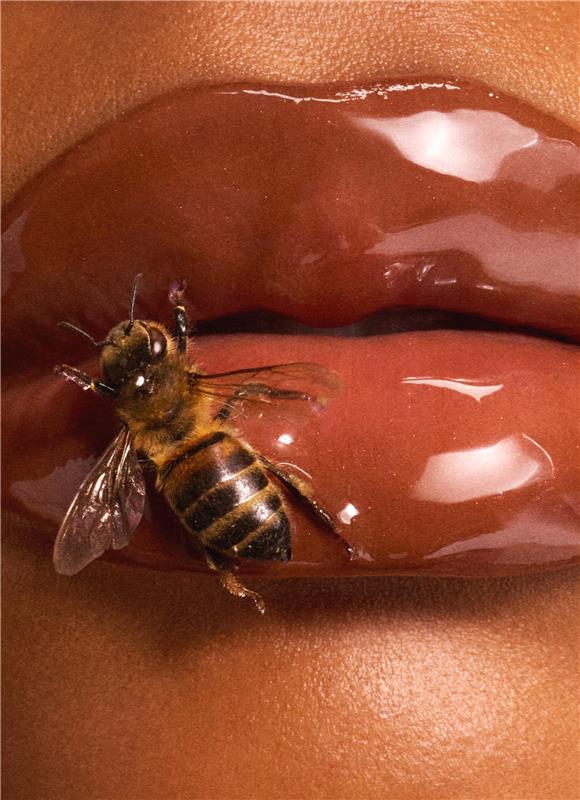
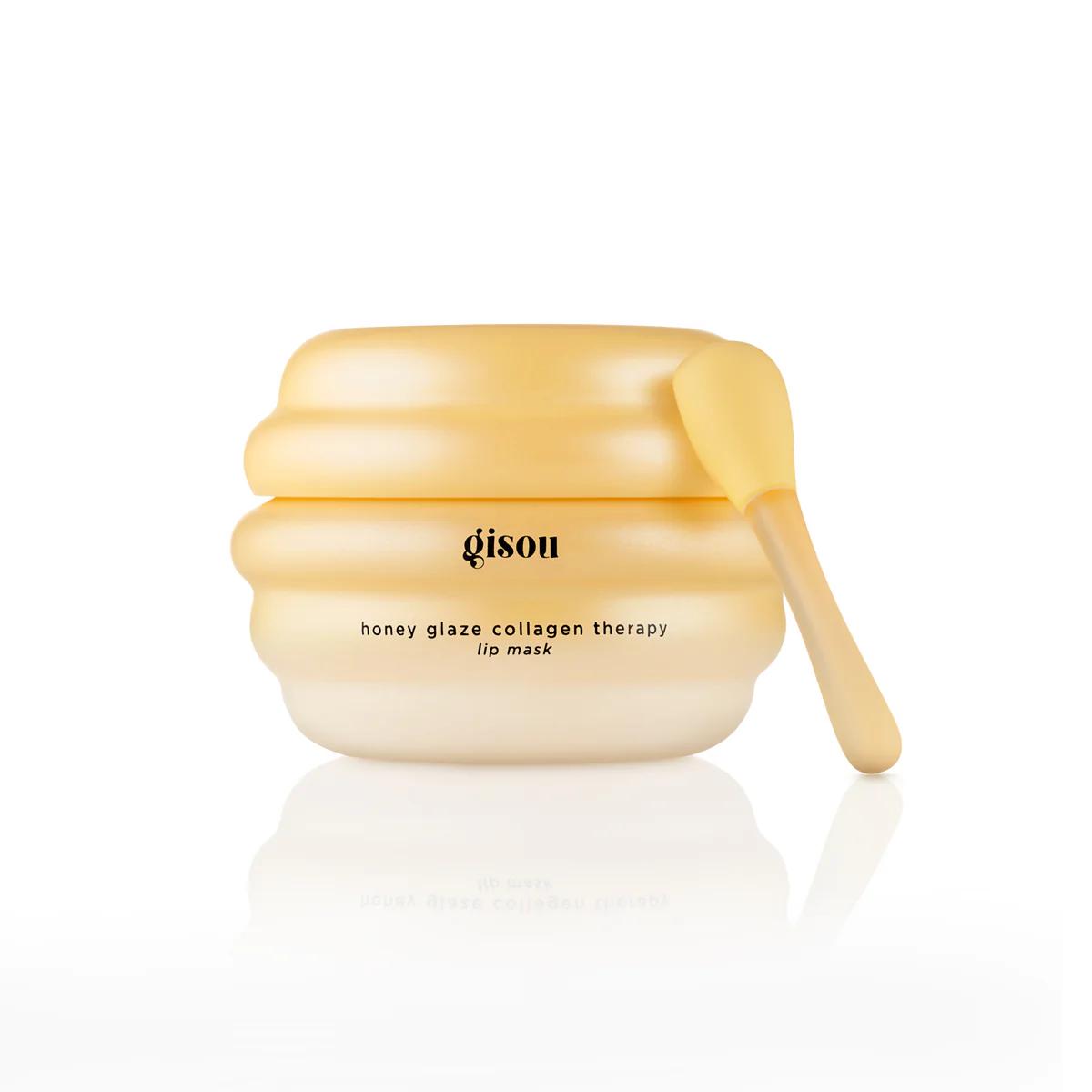
Gisou, founded by Negin Mirsalehi, has successfully positioned its brand at the intersection of agricultural heritage and clinical performance. The brand's launch of the Honey Glaze Collagen Therapy Lip Mask exemplifies a growing industry trend toward ultra-rich, buttery textures and highly customized product vessels. To differentiate itself in a crowded lip-treatment market, Gisou housed the formula in a custom glass "honey pot" container and developed a contour-hugging "honey spatula" applicator designed to match the natural curves of the lips.
The product itself is a sensory masterpiece, combining sustainably sourced Mirsalehi Honey and a proprietary Bee Garden Oil blend with low molecular weight hyaluronic acid, plant-derived collagen, and barrier-boosting ceramides—all wrapped in a warm Honey Buttercream scent. By prioritizing physical tactile design, Gisou converts daily applications into sensory rituals.
Summer Fridays: Category Expansion and Fine Fragrance Transition
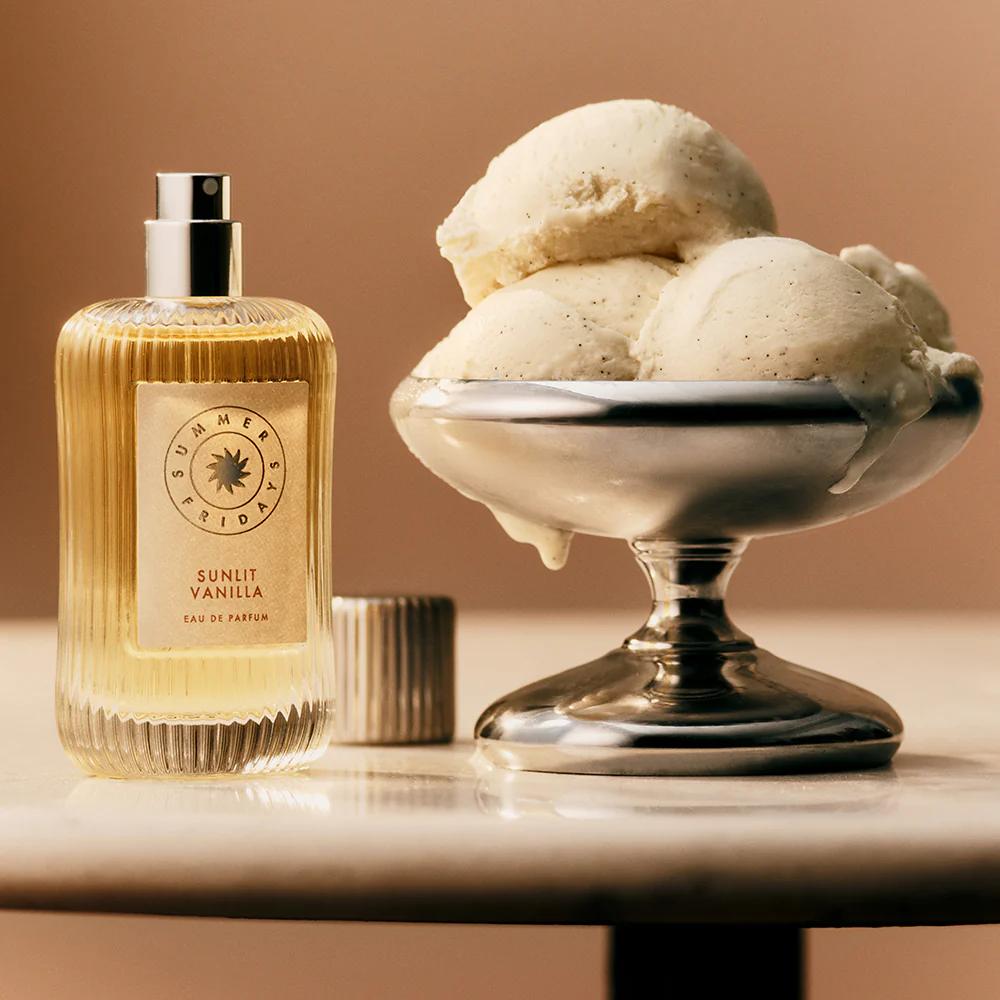
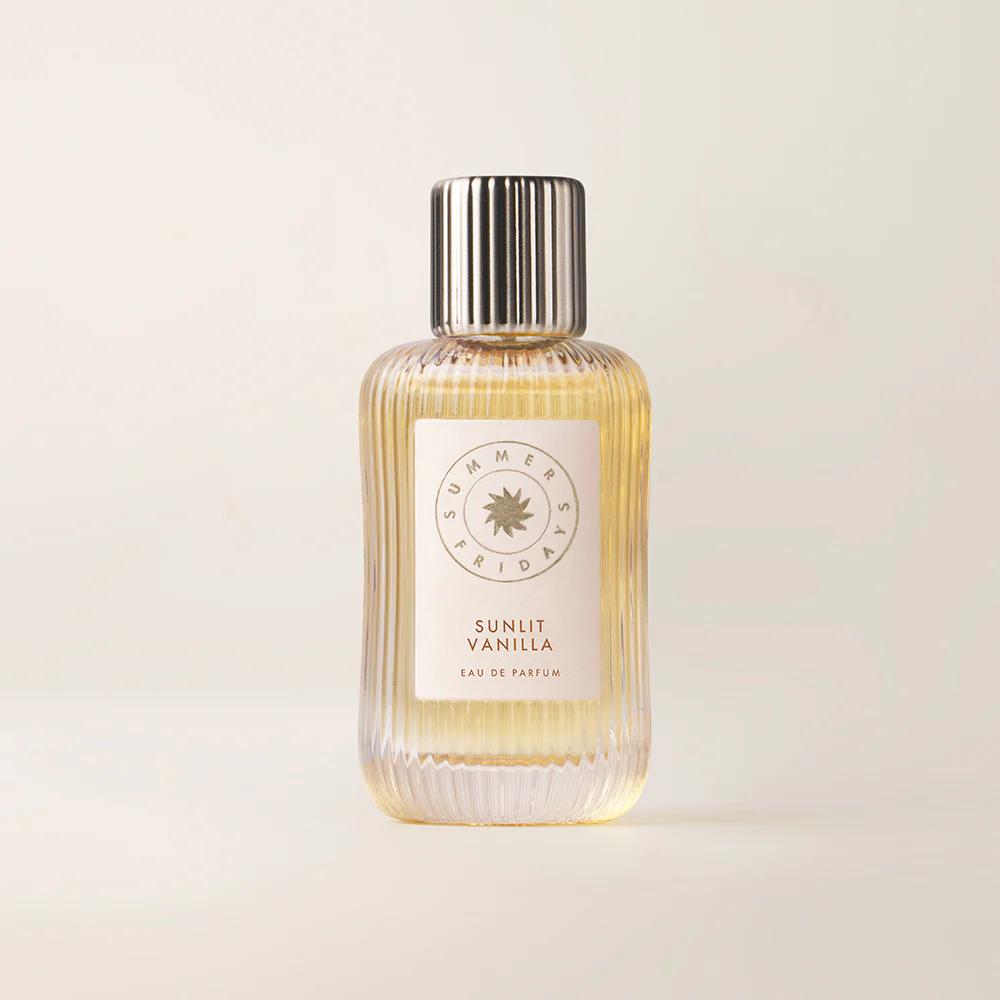
Summer Fridays has executed a highly anticipated category expansion by launching its first fine fragrance, Sunlit Vanilla Eau de Parfum. The transition from barrier-focused skincare and tinted lip balms to fine fragrance represents a high-margin play designed to leverage the brand's established olfactory identity. Recognizing its community's strong affinity for gourmand notes, the founders bypassed simple rollerball perfume oils to deliver a traditional, long-lasting Eau de Parfum.
The packaging is equally sensory-driven, utilizing custom fluted-glass bottles inspired by vintage beach towels. The fragrance profile itself avoids standard "bakery vanilla" tropes by blending a bright bergamot top note with a heart of warm caramel and coconut, drying down into a sophisticated base of creamy musk, tonka bean, and amber. This prestige lifestyle play positions Summer Fridays to capture a substantial share of the lucrative fragrance market.
Rhode Skin: The "Spotwear" Movement and Post-Acquisition Strategy
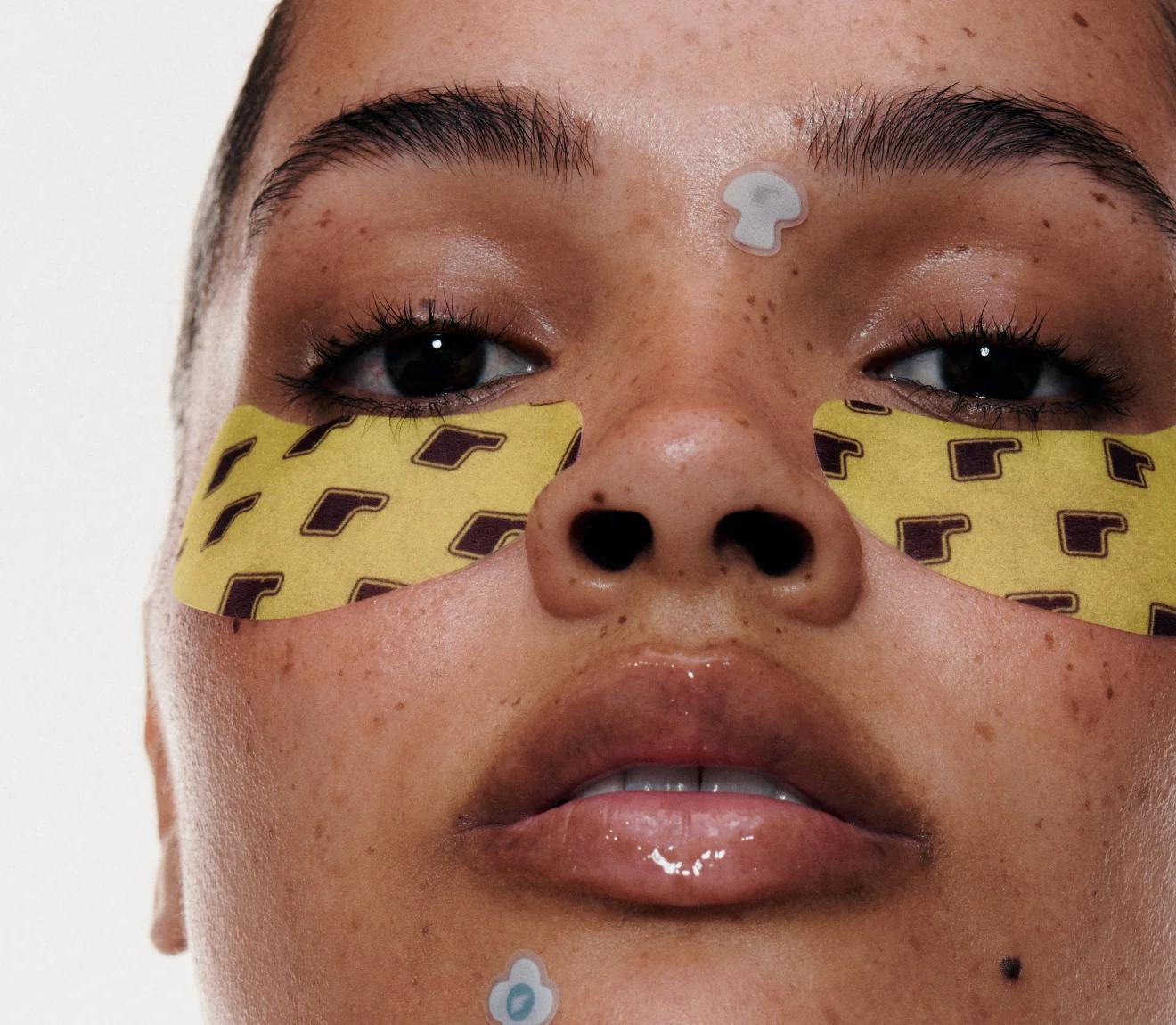
Rhode Skin, acquired by e.l.f. Beauty in late 2025 for $1 billion, continues to lead Gen Z beauty culture by focusing on visual appeal and playfulness rather than typical self-care themes. Under founder Hailey Bieber's ongoing creative direction, the brand launched the Rhode x The Biebers collaborative collection in partnership with singer Justin Bieber. This campaign marks Rhode's entry into the "spotwear" category with hydrocolloid pimple patches shaped as whimsical icons (including mushrooms, daisies, and jelly beans) designed to be worn openly as fashion statements.
The collection also introduced limited-edition, banana-themed skincare, including a "Caramelized Banana" Peptide Lip Treatment and "Banana Peel" Peptide Eye Prep hydrogel patches with custom 'r' iconography. Rhode's ability to convert clinical acne treatments into trendy fashion accessories demonstrates how the brand maintains cultural relevance under conglomerate ownership.
The Content Velocity Bottleneck: Scaling the Sensory Aesthetic
While these sensory-rich product formulations and tactile packaging solutions drive exceptional brand loyalty, they present a profound operational bottleneck: content velocity. In 2026, scaling a DTC beauty brand requires producing thousands of high-fidelity, hyper-targeted visual assets to avoid ad creative fatigue and capture fractional attention on social media.
Traditional photography setups—hiring professional stylists, booking physical studios, shipping delicate glass honey pots, and editing reflections on fluted perfume bottles—are too slow and expensive to keep up with modern marketing cycles. This is where premium studio-quality AI product photography becomes the ultimate competitive advantage.
By partnering with an elite AI visual studio, DTC skincare and cosmetics brands can generate infinite photorealistic iterations of their products in real time. Rather than waiting weeks for a physical shoot, creative directors can instantly place products in rich, atmospheric environments—from sun-kissed Italian villas matching a warm vanilla fragrance to minimalist concrete backdrops painted in Pantone "Cloud Dancer."
Bridging the Physical-Digital Gap with AI
Using advanced generative pipelines, beauty brands can render highly detailed, conceptual beauty product visuals that capture the physical texture of honey glazes, the transparency of custom glass flutes, and the playful visual identity of spotwear patches. The AI can even be instructed to inject calculated real-world details—like natural skin textures, highlights, and organic motion blurs—ensuring every asset delivers the raw, high-converting authenticity that consumers demand in 2026.
This speed of execution enables performance marketers to run highly optimized creative pipelines. By generating high-converting paid ad creatives and tailored social media content visuals, DTC beauty brands can instantly A/B test distinct visual narratives across Facebook, Instagram, TikTok, and Meta.
Whether you are launching a product with a complete product launch visual kit or managing an ongoing retainer through a monthly visual content retainer, integrating AI visual production is the only way to scale the sensory lifestyle aesthetics of 2026 without sacrificing your profit margins.