The Geometry of Desire: How DTC Beauty Brands Leverage High-Flash Still Life, Surreal Scale, and Fine-Art Metaphors to Scale Ad Conversion
May 28, 2026
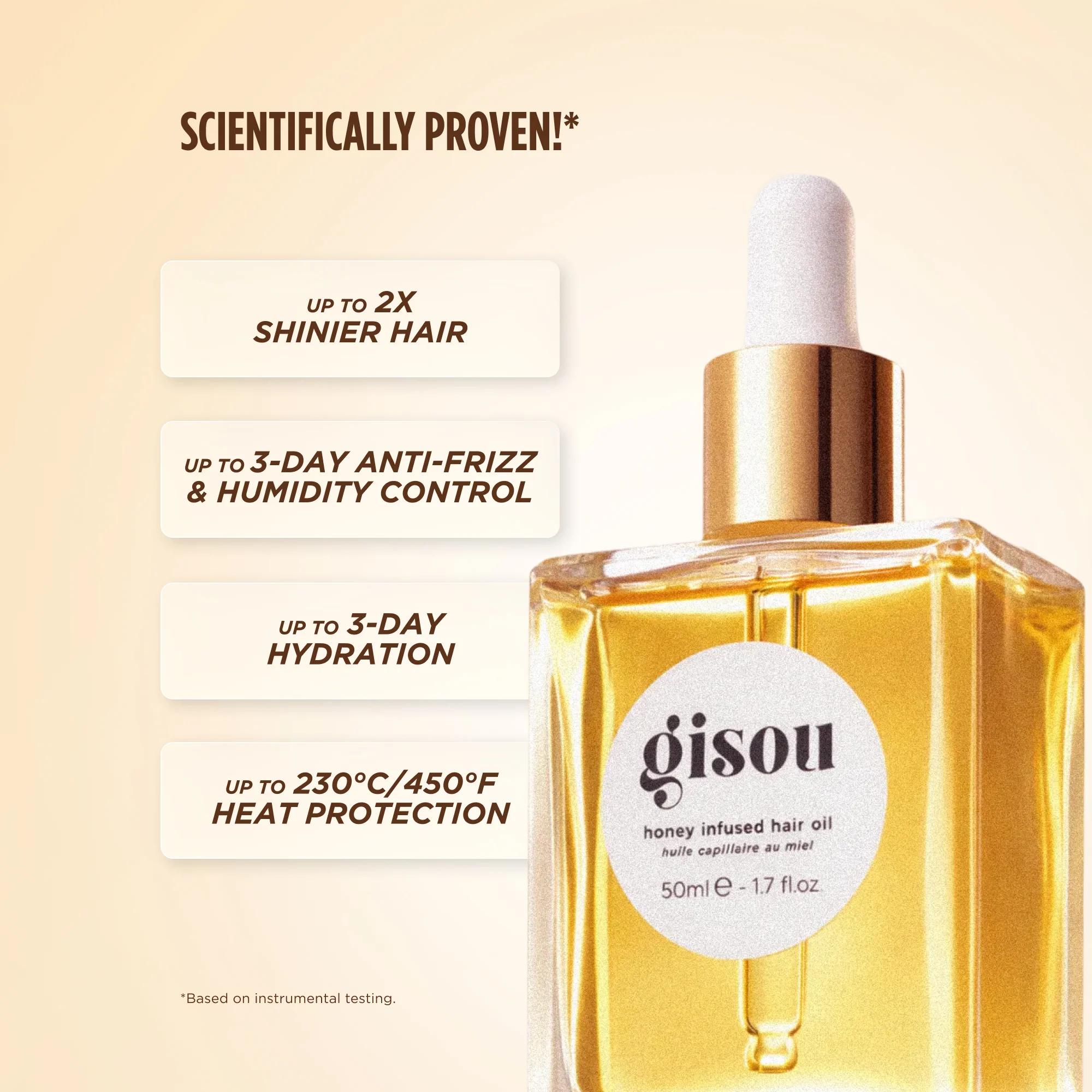
In the highly saturated Direct-to-Consumer (DTC) beauty market, leaders are executing a profound visual realignment. Standard, clinical e-commerce flat-lays are losing their ability to grab consumer attention. Instead, avant-garde brands like Rhode Skin, Merit Beauty, Saie Beauty, and Gisou are pioneering direct-flash, "surreal scale" photography paired with fine-art metaphors. This visual shift transforms utilitarian skincare and cosmetic tubes into high-fashion artifacts, driving exceptional digital ad conversion and brand equity.
The Psychology of Visual Metaphor and High-Fashion Still Life
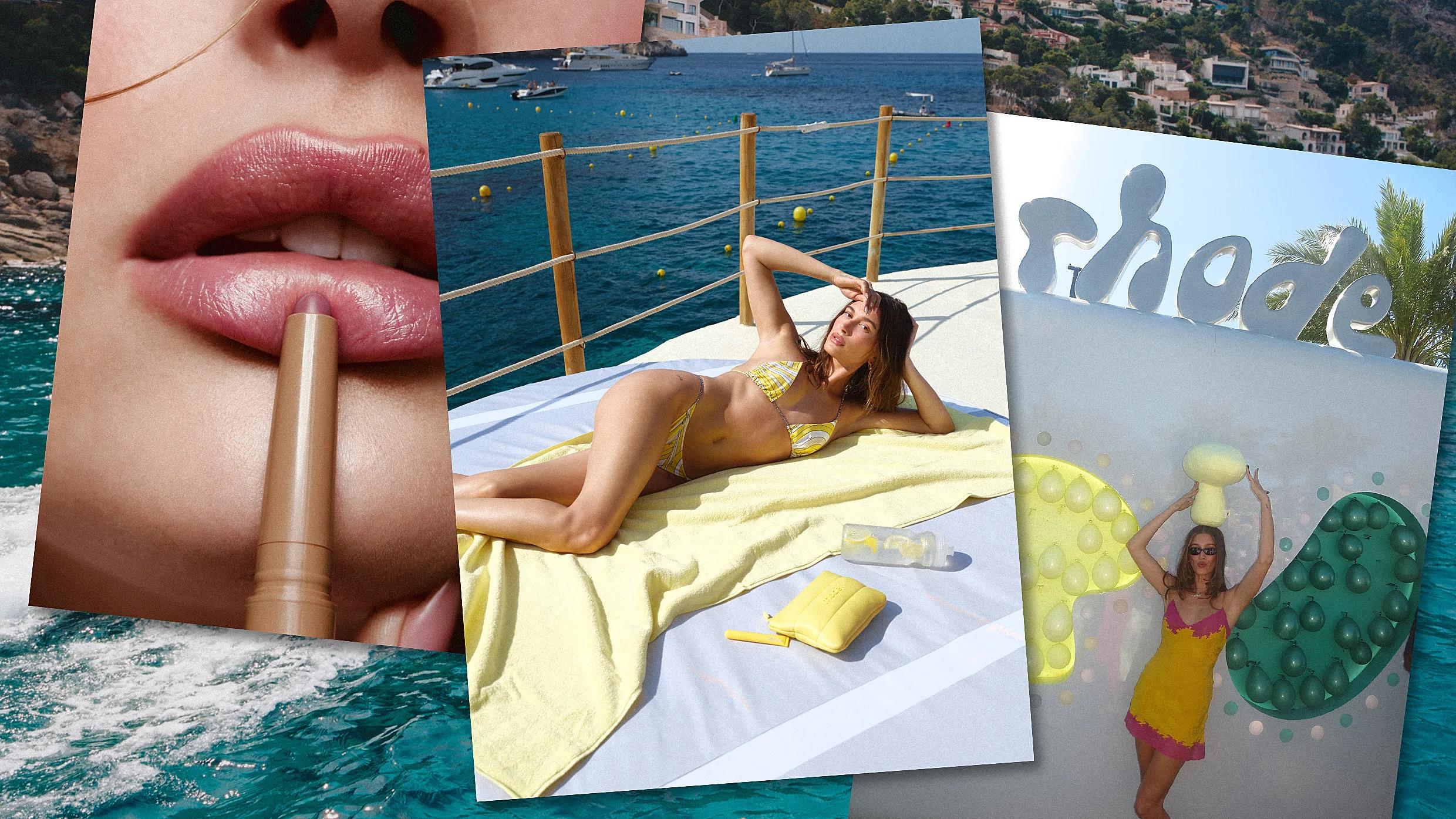
Rhode Skin (founded by Hailey Bieber) has consistently scaled its market presence by merging cosmetic utility with elevated high-fashion indicators. Rather than highlighting a product in isolation, Rhode's campaigns frame packaging adjacent to luxury markers—like Alaïa handbags, custom designer heels, or raw geometric elements. This visual styling instantly shifts the product's perceived value from a standard skincare cream to an essential fashion accessory.
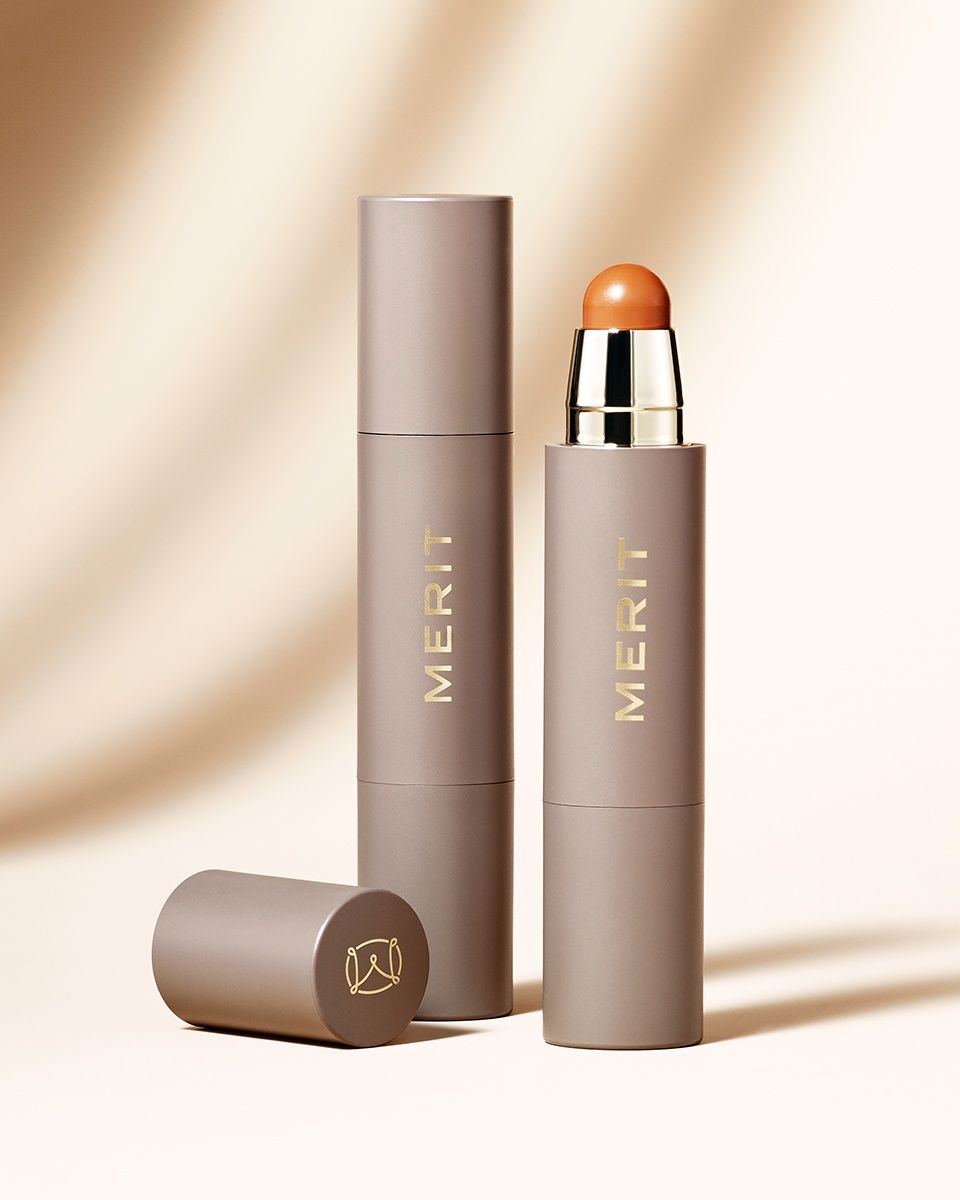
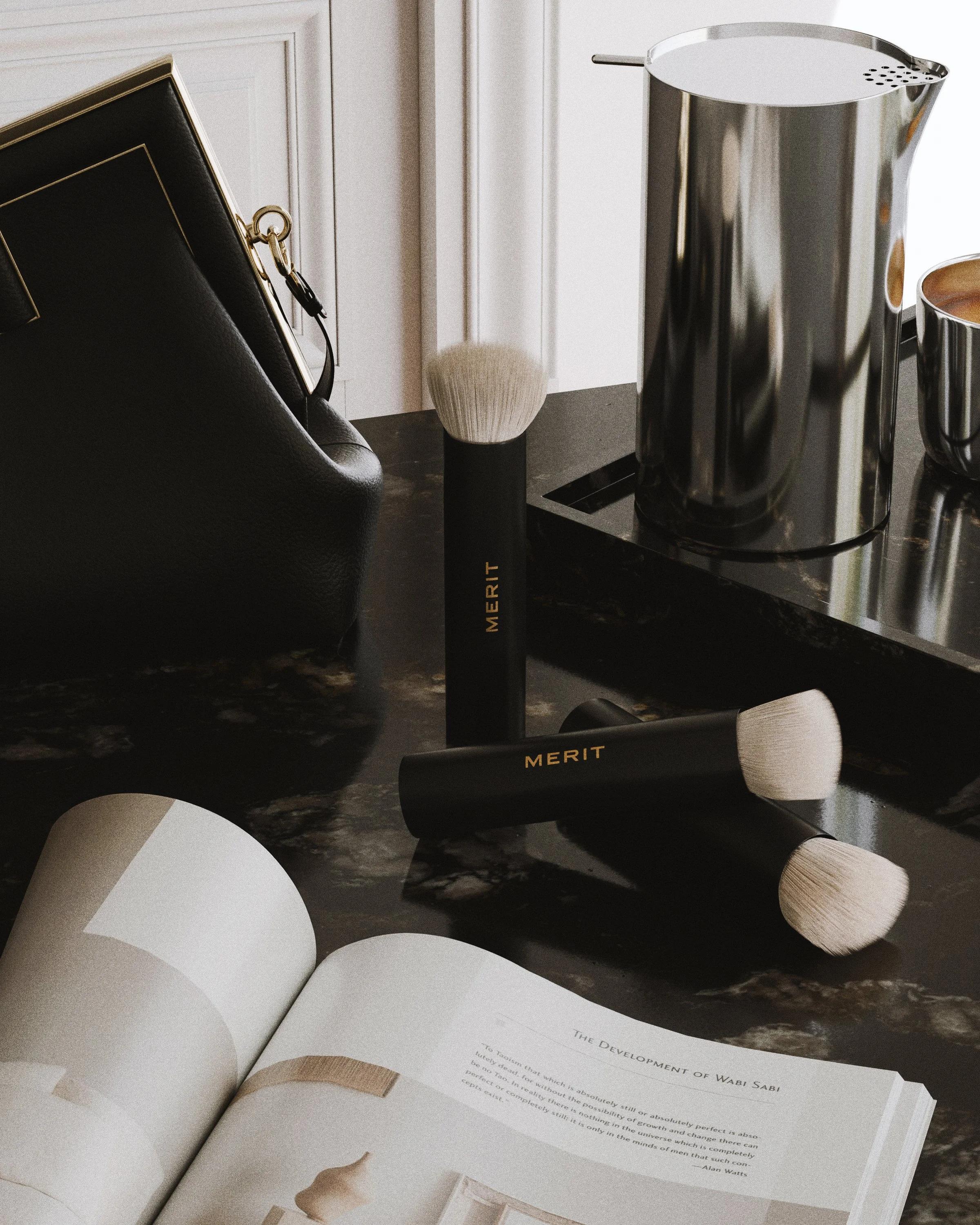
Similarly, Merit Beauty approaches fragrance and color cosmetics with "quiet luxury" restraint. By commissioning fine-art photographers to shoot fragrance campaigns instead of traditional commercial agency directors, Merit secures gallery-worthy still compositions that stand out on digital grids and physical billboards alike. This strategy is highly commercial: Rhode's highly disciplined editorial aesthetic contributed $128 million to parent e.l.f. Beauty's sales in a single quarter, proving that artistic restraint drives massive conversion.
Physical Complexity: Direct Front-Flash and Macro Texture Realism
Replicating these fine-art campaigns in a physical studio environment requires exceptional camera expertise and delicate lighting coordination. The aesthetic is defined by:
1. Direct Front-Flash Lighting: Stripping away softbox diffusers to introduce hard, direct-on lighting. This creates sharp-edged, deep black drop shadows and brilliant highlights that make glossy plastic and wet-look glass packaging pop.
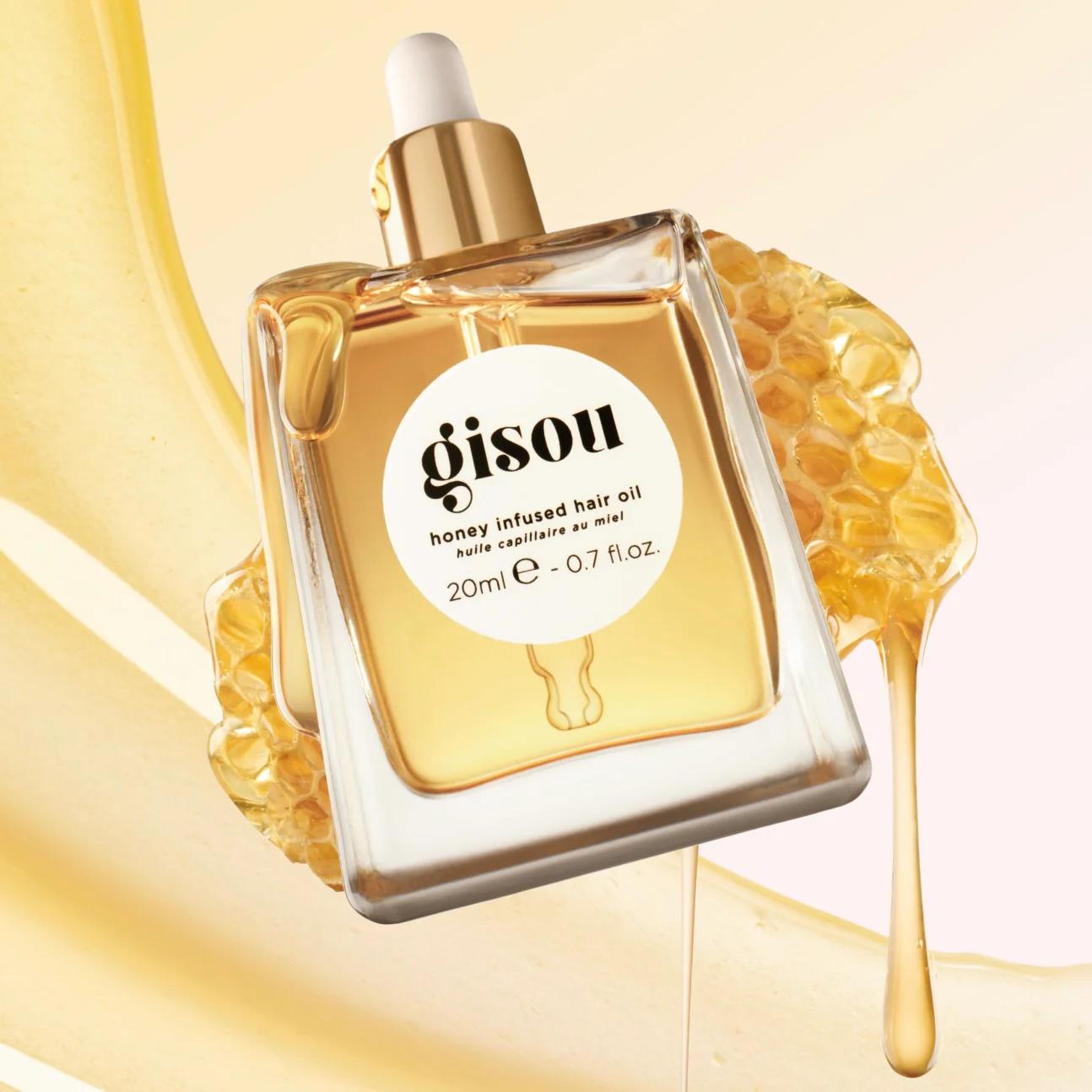
2. Tactile Macro Staging: Pairing hard lighting with micro-lenses to capture rich physical details—the weave of fine linen, unpolished raw wood, brushed gold, or the glistening viscosity of honey and whipped creams. This hyper-texture allows online shoppers to feel the product through their screens.
3. Authentic Imperfections: Retaining organic light leaks, lens flares, and packaging reflections. This builds trust with a generation of consumers fatigued by overly polished digital renders.
Bypassing Logistics: Replicating Fine-Art Stills via AI Synthesis
While these concepts yield tremendous conversion benefits, the physical staging costs of custom set design, mismatched prop scaling (such as placing a tiny lip liner against an oversized burnt marshmallow or a giant raw stone), and elaborate lighting systems are massive bottlenecks.
Advanced AI product photography for beauty brands completely democratizes this high-end imagery. Modern generative algorithms can simulate precise physical reflections, liquid refractive indexes, and atmospheric shadows instantly. Performance marketers can leverage this capability to generate high-converting conceptual beauty product visuals and professional beauty campaign visuals at a fraction of traditional production costs, scaling creative testing across social feeds seamlessly.